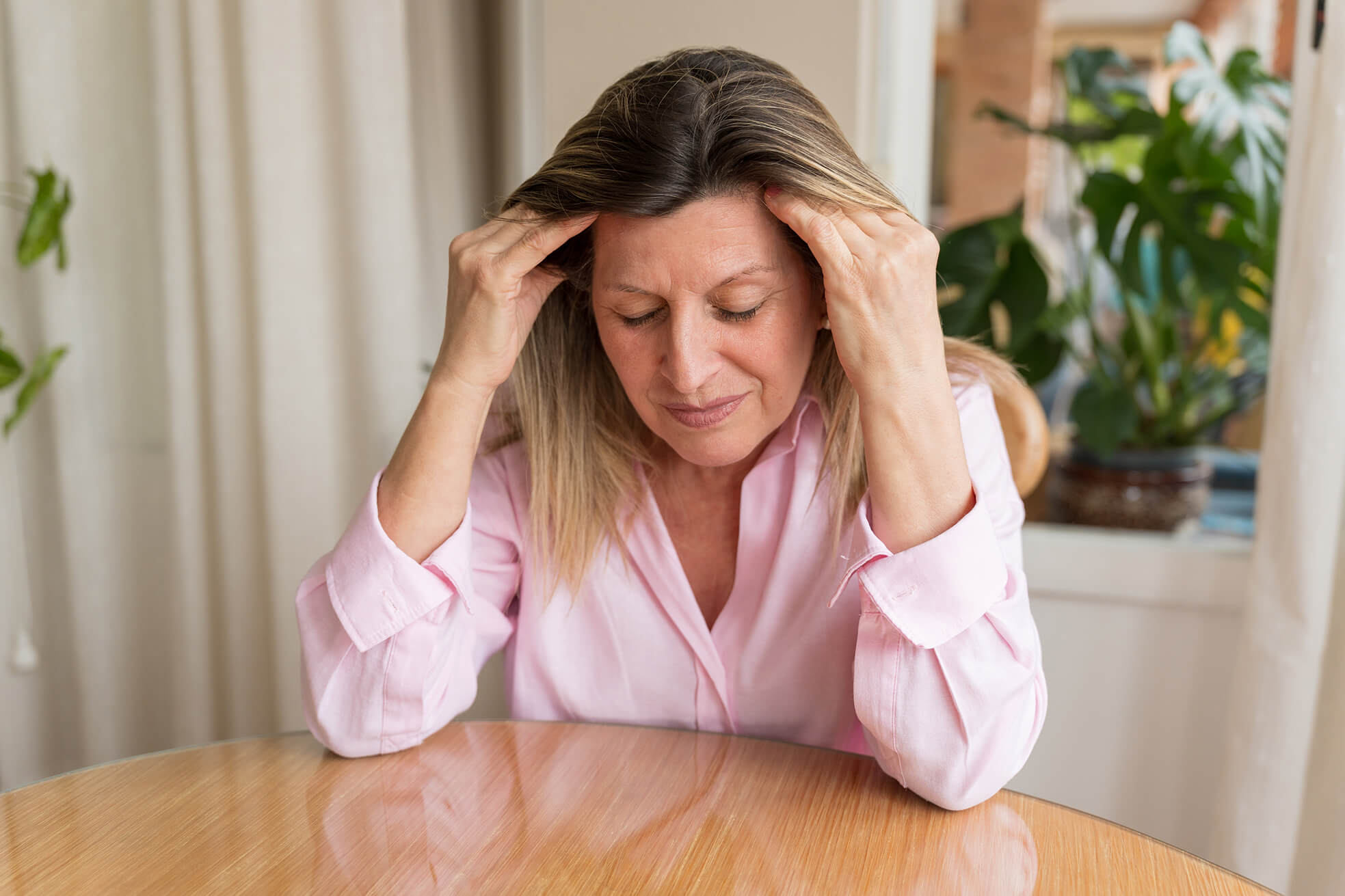
Perimenopause is the gradual transition to menopause, and it most commonly begins in a woman’s mid to late 40s. Menopause is reached after 12 months without a period, at an average age of around 51 in Australia.
Often women expect menopause to begin suddenly in their early 50s. In reality, the transition usually occurs gradually over several years. This stage is called perimenopause.
Perimenopause most commonly begins during a woman’s mid to late 40s, but symptoms can sometimes start in the late 30s.
Menopause is reached when a woman has not had a menstrual period for 12 months. The average age of menopause in Australia is around 51.
Changing periods are often the first sign. Periods may become shorter, longer, heavier, lighter or less predictable. Some women skip periods, while others experience bleeding more frequently.
Hot flushes and night sweats are well-known symptoms, but they are only part of the picture. Other symptoms can include:
Symptoms vary considerably. Some women have only mild changes, while others find that perimenopause affects their sleep, work, relationships and general wellbeing.
Not every symptom in a woman’s 40s is caused by perimenopause. Thyroid conditions, iron deficiency, diabetes, pregnancy, sleep problems, anxiety and depression can cause similar symptoms.
Perimenopause is usually diagnosed by discussing a woman’s symptoms, menstrual cycle and medical history. Hormone blood tests are not always helpful because hormone levels can change significantly from day to day during this stage. However, blood tests may be recommended to exclude other medical conditions.
Treatment depends on the symptoms, their severity and the woman’s medical history. Regular exercise, strength training, a nutritious diet, limiting alcohol, not smoking and maintaining a consistent sleep routine can help. When it comes to medications, both hormonal and non-hormonal options are available. This is a complex area and a one-on-one discussion with your doctor is needed before deciding on the best way forward. Sometimes, a psychologist, physiotherapist or dietitian may also be able to help.
What is the average age of menopause in Australia?
Around 51. Menopause is reached when a woman has not had a menstrual period for 12 months.
Are hot flushes the only symptom of perimenopause?
No. Changing periods are often the first sign. Other symptoms can include poor sleep, mood changes, brain fog, headaches, joint aches, vaginal dryness and weight changes.
Are hormone blood tests helpful in perimenopause?
Not always, because hormone levels can change significantly from day to day. Your doctor may still recommend blood tests to rule out other medical conditions.
Does perimenopause affect every woman the same way?
No. Some women notice only mild changes, while for others perimenopause affects sleep, work, relationships and general wellbeing.
When does perimenopause start?
Perimenopause most commonly begins in a woman’s mid to late 40s, but symptoms can sometimes start in the late 30s. The transition usually happens gradually over several years.
What treatments are available for perimenopause?
Regular exercise, strength training, a nutritious diet, limiting alcohol, not smoking and a consistent sleep routine can help. Hormonal and non-hormonal medications are also available, and the best option is decided with your doctor.
Prepared by Hunters Hill Medical Practice. This article provides general information and does not replace individual medical advice.