Menopause is a natural phase of a woman’s life that marks the end of her reproductive years. Menopause means your ovulation and periods stop. If you haven’t had a period for 12 months, it is likely you’ve reached menopause. In Australia, the average age of menopause is 51 years, but it is normal to enter menopause between 45 and 55 years. For some women it can happen earlier or later.
Perimenopause is the time leading up to your final period. On average, this lasts for 4-6 years. During this time, the number of eggs released by your ovaries reduce, hormone levels fluctuate, and your menstrual cycle is affected. Your periods may become shorter or longer, lighter or heavier, more painful, or irregular.
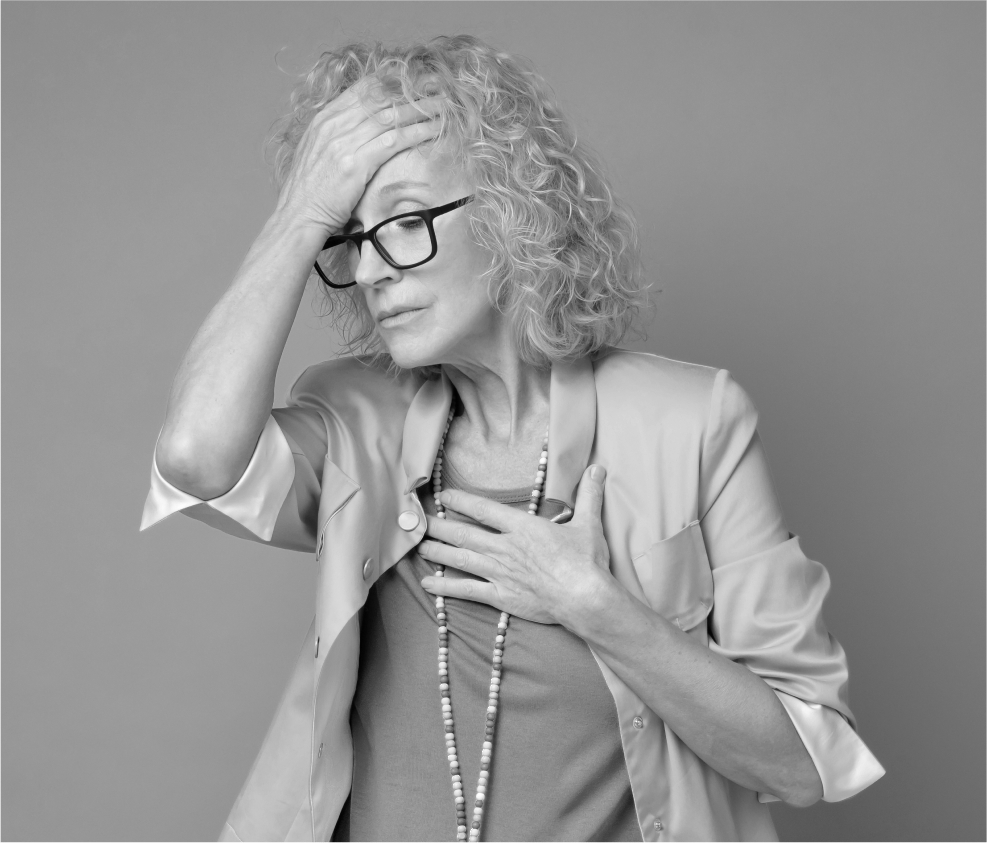
Changes in your hormone levels (oestrogen and progesterone) result in a range of physical and emotional symptoms, commonly:
Menopause can also affect your bone health and cardiovascular health. The decline in oestrogen levels puts women at an increased risk of bone loss, osteoporosis, and cardiovascular disease. Your GP can organise regular bone health checks based on your medical history and risk factors for osteoporosis. Regular heart checks in the form of blood pressure measurements and blood tests are also recommended.
Menopause is a unique journey for every woman. Some women can manage their symptoms with lifestyle modifications alone, while others may choose to use medications or therapies if their symptoms affect their quality of life. Your GP will consider your unique experience and determine options suitable to you so you can make an informed decision.
It is important to look after yourself during menopause and to make healthy lifestyle choices to improve the physical and emotional symptoms of menopause.


Menopause Hormone Therapy (MHT) is the most common form of prescribed treatment for menopause symptoms. It may help with symptom relief or prevention for some patients. Various MHT preparations and combinations are available, each with their own benefits and side effects which your doctor can help you navigate through.
This can be a complex area with different options being more or less appropriate depending on your personal circumstances including your medical history. The best approach is to book an extended appointment and have a detailed discussion with your doctor.


If you are unable to or prefer not to use hormone-based treatments, other prescription medications and over-the-counter options are available to manage your menopausal symptoms. Your GP can discuss these with you to determine the best option for you.
Your GP can provide you with a referral to allied health professionals such as a psychologist if needed.
If you are worried about irregular periods, heavy bleeding, bleeding after menopause, or your menopausal symptoms are interfering with your day-to-day activities, talk to your GP.